A Tick Most Americans Have Never Heard Of Is Now in 26 States
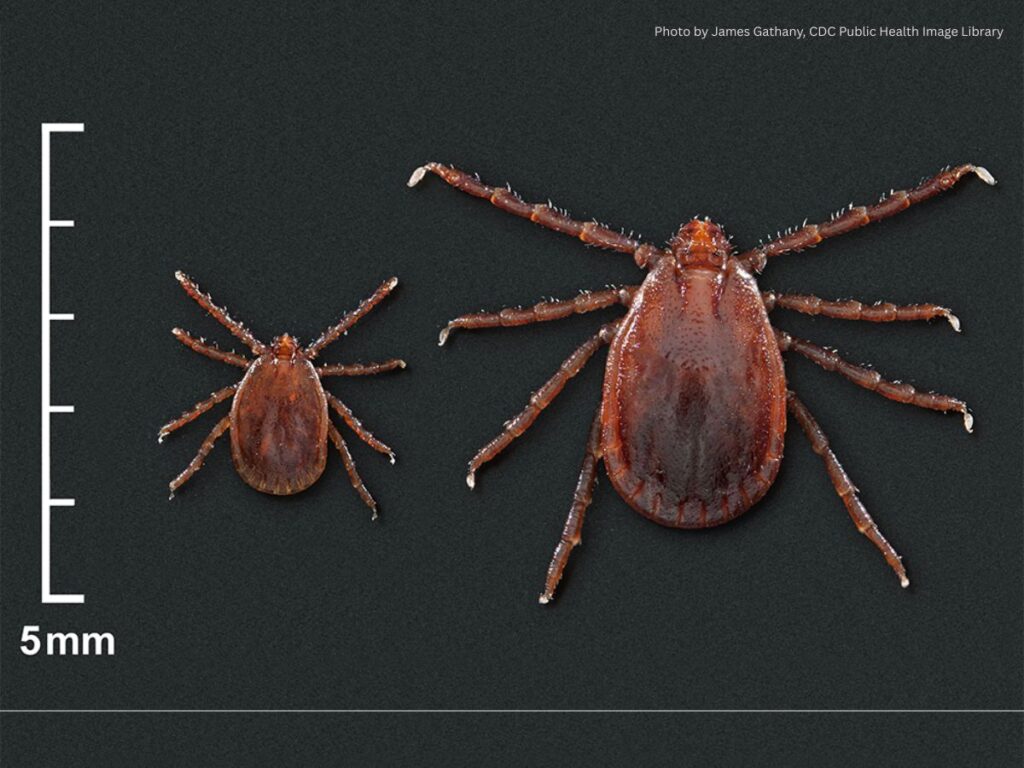
It arrived quietly, probably around 2010, though it wasn’t officially identified until 2017. It is light brown, roughly the size of a sesame seed, and when it finishes feeding it swells to about the size of a pea. It doesn’t need a mate to reproduce — a single female can lay up to 2,000 eggs. And the disease it carries has no approved vaccine and no approved treatment in the United States.
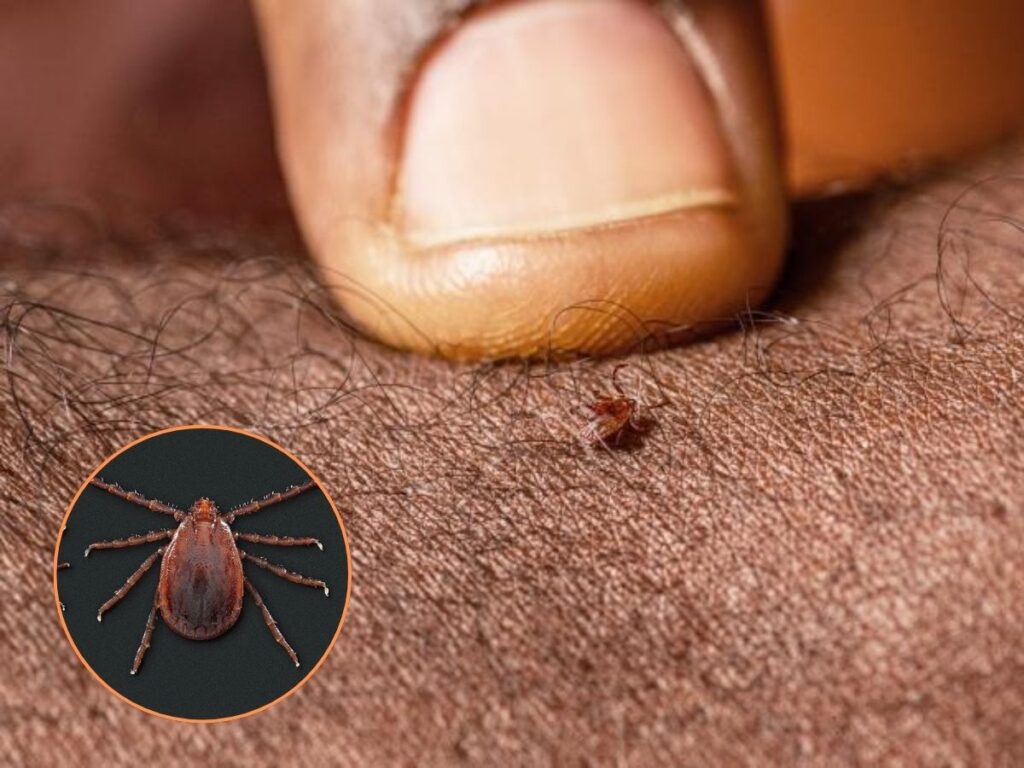
The Asian longhorned tick (Haemaphysalis longicornis) is now established in 26 states, according to Farm Week Now. For cattle producers across those states, it represents a threat that is still not widely understood — and for which the tools available are limited almost entirely to prevention.
Where It Came From and How Fast It Has Spread
The Asian longhorned tick is native to East Asia, where it is found in China, Japan, Korea, and Russia. It has also established populations in Australia and New Zealand, where the disease it carries costs the beef industry an estimated .6 million annually in reduced milk and meat yields. In Japan and Korea combined, losses are estimated at million per year.
The tick was first officially identified in the United States in New Jersey in 2017 by the USDA, though researchers believe it likely arrived several years earlier — possibly as early as 2010. Since its detection, it has spread steadily. Confirmed populations now exist across 26 states, with detections as far west as Oklahoma representing the tick’s farthest recorded westward expansion in the country.
One biological characteristic makes this tick particularly difficult to control: females reproduce through parthenogenesis — they do not need to mate with a male to produce viable eggs. A single female that hitchhikes onto a new host, a piece of equipment, or a moving animal can establish an entirely new population on her own, producing up to 2,000 eggs per batch.
The Disease It Carries
The Asian longhorned tick transmits a blood-borne parasite called Theileria orientalis Ikeda genotype — the strain now circulating in U.S. cattle herds. The disease it causes is called theileriosis.
How Theileriosis Works
According to the Merck Veterinary Manual, theileriosis is caused by protozoan parasites that are transmitted through tick saliva during feeding. Once inside the animal, the parasite initially invades white blood cells, multiplying inside them. It then releases a second stage that infects red blood cells directly, destroying them.
The result is progressive, severe anemia. Clinical signs described by the Merck Veterinary Manual include:
- High fever, exceeding 107 degrees F
- Swollen lymph nodes
- Difficulty breathing
- Loss of appetite and significant weight loss
- Nasal and eye discharge
- Jaundice
- Weakness and exercise intolerance
- Abortion in pregnant animals
- Death in severe cases
Symptoms typically appear 7 to 10 days after infection. The Ikeda strain — the one found in U.S. cattle — has been identified by researchers published in the CDC’s Emerging Infectious Diseases journal as more virulent than other strains of the same species, with mortality reaching up to 5% of affected animals in an outbreak.
The Carrier Problem
One of the most significant challenges theileriosis presents for cattle producers is what happens after an animal survives. According to Farm Week Now, cattle that recover from theileriosis do not clear the parasite. They become lifelong carriers, harboring the infection without necessarily showing symptoms — but remaining capable of spreading it, and vulnerable to relapse when stressed. That means an outbreak does not end when the sick animals recover. The parasite remains in the herd.

Transmission can also occur through means other than tick bites. Farm Week Now reports that contaminated needles and other blood-to-blood contact vectors — including lice and biting flies — can spread the parasite between animals.
No Treatment. No Vaccine.
This is the part of the story that is hardest for cattle producers to absorb.
The Merck Veterinary Manual identifies buparvaquone — often combined with anti-inflammatory drugs — as the only available therapeutic option for theileriosis. However, this drug is not approved for use in cattle in the United States. Effectiveness also decreases significantly as the disease advances.
There is currently no commercially available vaccine for the Ikeda strain of Theileria orientalis in the U.S. market. According to University of Wisconsin Extension, research into vaccines and treatments is ongoing, but nothing is currently approved for use by American cattle producers.
The practical reality for producers is that management is almost entirely focused on tick control — reducing the tick burden on animals before infection occurs, rather than treating it after.
What Producers Can Do Now
Farm Week Now cites guidance from Nebraska State Veterinarian Roger Dudley and Iowa State University Extension Beef Veterinarian Grant Dewell on the prevention tools currently available:
- Insecticide ear tags applied to cattle
- Pour-on insecticide treatments
- Backrubbers and dust bags with insecticide
- Monitoring animals for early signs of anemia or weakness
- Avoiding the importation of cattle from areas with known infestations without thorough inspection
The goal of these measures is to reduce the number of ticks feeding on cattle — lowering the probability of transmission rather than eliminating it entirely.
What This Means for U.S. Cattle Producers
The Asian longhorned tick is not a theoretical future threat. It is established in 26 states and continuing to expand. The disease it carries has already been confirmed in U.S. cattle herds, and the industry is actively tracking its spread.
For cattle producers, the combination of rapid tick expansion, a virulent disease strain, no approved treatment, no available vaccine, and a carrier dynamic that keeps the parasite in a herd indefinitely represents a serious and growing challenge. International data from Australia and Asia — where theileriosis is an established problem — suggests the economic costs can be substantial even when animals survive, due to reduced weight gain, milk production losses, and the costs of aborted pregnancies.
The U.S. cattle industry is already under pressure from a historically small national herd, record beef prices, and tightening processing capacity. A disease spreading silently through herds — with limited tools available to fight it — adds another layer of risk to an industry that cannot afford to absorb more.
Producers in affected states are encouraged to contact their state veterinarian or local extension office for the most current guidance on tick surveillance and management protocols.