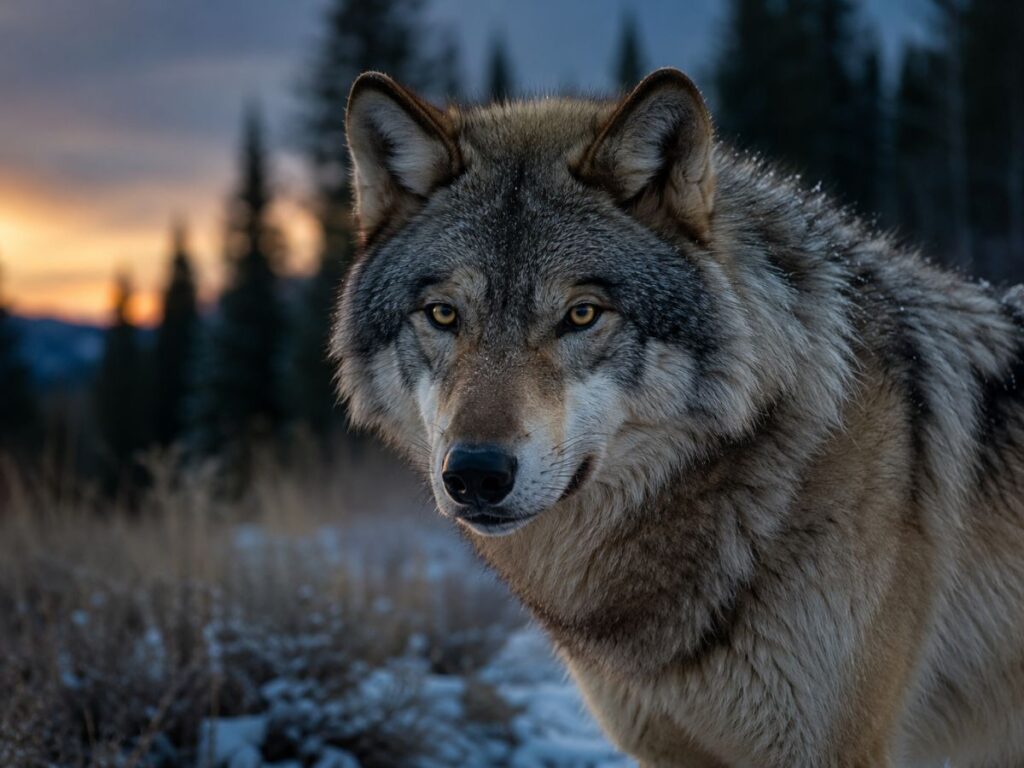
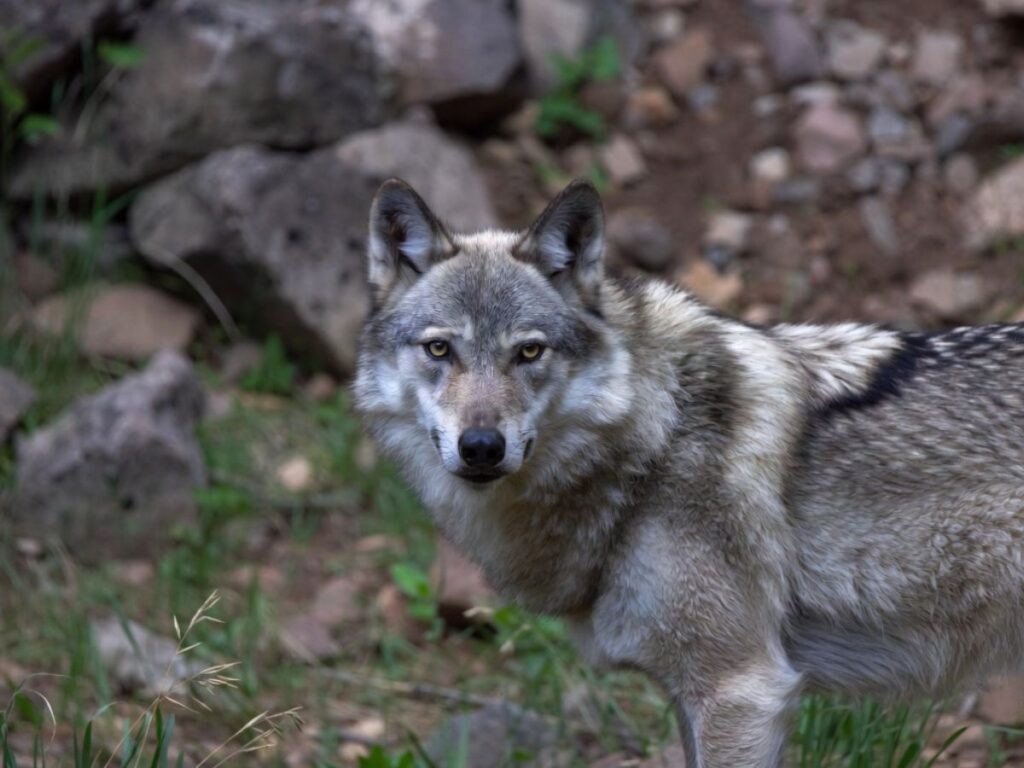
On June 12, 2026, Colorado Parks and Wildlife agents lethally removed an uncollared gray wolf in Routt County in northwest Colorado.
The announcement came two days after the wolf had killed a sheep on June 10 and another on June 11 — back-to-back attacks that followed a documented trail of livestock losses stretching back nearly a year across two counties.
By the time the wolf was killed, it had been confirmed responsible for 10 livestock depredation events and the deaths of 22 sheep.

Quick Takeaway
- An uncollared gray wolf was lethally removed by Colorado Parks and Wildlife on June 12, 2026 in Routt County
- The wolf had been confirmed responsible for 10 livestock depredation events since summer 2025, killing 22 sheep across Rio Blanco and Routt Counties
- Ranchers had already implemented range riders, guardian dogs, scare devices, increased human presence, and non-lethal hazing permits — the attacks continued anyway
- CPW had previously attempted to kill the wolf in August 2025 — the attempt failed
- The wolf was the 15th to die since Colorado’s reintroduction program began
- Colorado wolf depredation compensation claims have now exceeded $1.07 million — nearly five times the state’s annual budget for the program
Who the Wolf Was — and Why It Was So Hard to Track
The wolf had been born into Colorado’s Copper Creek Pack in spring 2024. By fall of that year it had separated from the pack — and because it was uncollared, CPW had no electronic tracking data on its location or movements. Denver7 reported that agents described the wolf as elusive, with visual confirmation — not GPS data — used to connect it to the string of attacks across Rio Blanco and Routt Counties.
CPW had not been passive about the situation. Agents had made at least one previous attempt to kill the wolf in August 2025. The shot was fired. The wolf survived and the attacks continued.
What Ranchers Had Already Done
The livestock losses did not happen because ranchers were unprepared or ignored the protocols the wolf reintroduction program put in place. According to the Colorado Springs Gazette, CPW confirmed the attacks continued despite ranchers implementing the full range of non-lethal conflict prevention measures available to them:
- Range riders monitoring livestock on the range
- Livestock guardian dogs deployed with the flocks
- Scare devices placed on the property
- Increased human presence on the range
- Applications for non-lethal hazing permits
Ranchers did what the program asked. The wolf continued attacking. The question of how many confirmed depredation events should trigger lethal removal — and who makes that call — sits at the center of the ongoing conflict between ranching communities and wildlife managers in Colorado.
The Final Two Days
On June 10, the wolf killed a sheep in Routt County. On June 11, it killed another. According to the Steamboat Pilot, CPW located the wolf and carried out the lethal removal on June 12 — the day after the second consecutive attack. It was the 15th wolf to die since Colorado’s reintroduction program began.
The Cost Being Absorbed by Ranchers and Taxpayers
Colorado’s wolf reintroduction program includes a compensation system for ranchers who lose livestock to wolf attacks. The program was originally estimated to cost approximately $800,000 per year when voters approved Proposition 114 in 2020. According to Colorado Politics, depredation compensation claims have now exceeded $1.07 million — nearly five times the $350,000 the state budgets annually for the program. The program’s total cost is projected to exceed $10 million over its first six years.
Ranchers are eligible for compensation of up to $15,000 per animal, covering both direct losses and indirect impacts such as reduced conception rates and weight loss in livestock caused by predator stress on the herd. Colorado lawmakers have begun openly questioning how the program is being managed and whether the compensation structure is sustainable.
Where the Program Stands
Colorado halted new wolf releases for 2026 as the program undergoes review. The program’s leader retired in May 2026 amid what the Colorado Sun described as an inflection point — rising conflicts, a high wolf mortality rate, and growing pressure from both ranching communities and state legislators. A separate review of the program’s direction is underway.
For the ranchers in Rio Blanco and Routt Counties who spent nearly a year deploying every tool the program gave them — and watching the attacks continue anyway — the June 12 removal is a conclusion to one chapter. Whether the broader program produces a different outcome for the ranchers still living alongside the reintroduced population is a question with no answer yet.