A Crisis Hiding in Plain Sight
There is a slow-moving emergency unfolding across the American interior, and most people have not noticed it yet – but they will feel it at the grocery store.
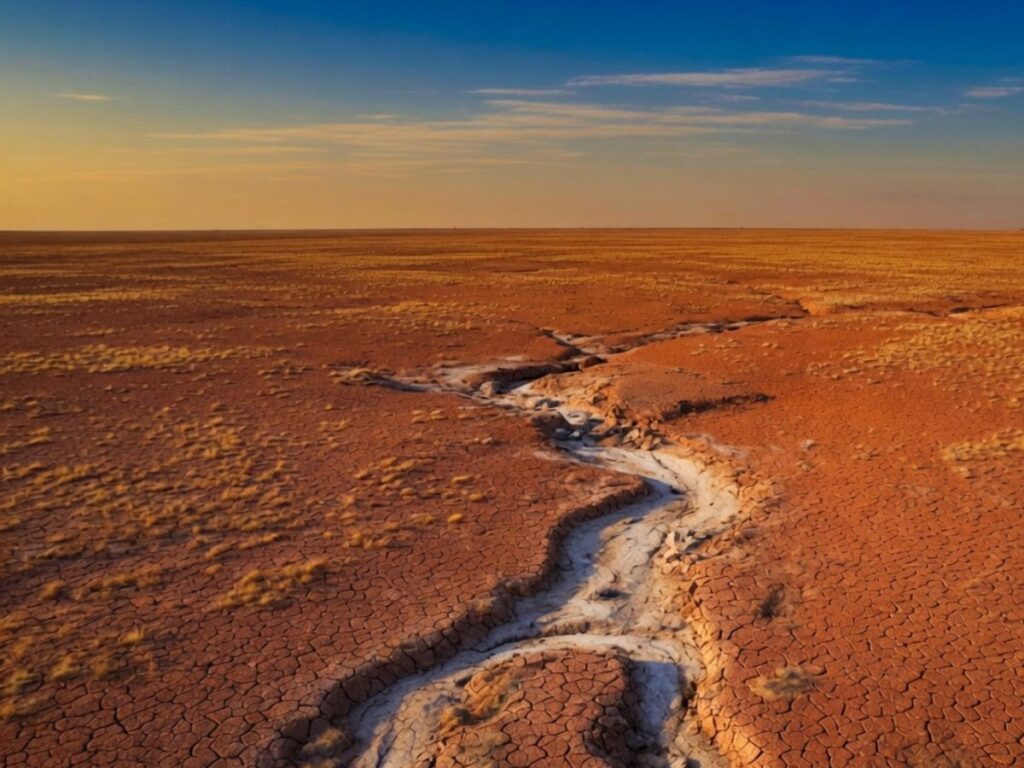
As of mid-2026, approximately 60% of the nation’s cattle inventory is located inside an active drought zone, according to USDA Crop Progress data tracked by Drought.gov. More than half the country’s beef supply is standing on land that is parched, overstressed, and running out of grass. And the ripple effects of that reality are already moving through the food system.
This is not a localized drought. It is not confined to one state or one region. It is a broad, persistent drying that is hitting the heart of American cattle country – the Great Plains, the Southwest, parts of the Midwest – simultaneously. And it is arriving at the worst possible moment.
The Herd Was Already at a Historic Low
To understand why this drought matters so much, you have to understand the condition of the U.S. cattle herd before a single drop of rain failed to fall.

According to the USDA National Agricultural Statistics Service, there were just 86.2 million head of cattle and calves in the United States as of January 1, 2026. That is the lowest total since 1951 – a 75-year low. The herd has been shrinking for years, driven by a combination of prolonged drought cycles, surging production costs, and reduced heifer retention.
The industry was already in the early stages of what cattle producers call a “rebuild” – a slow, multi-year process of growing the herd back up after a cycle low. That process requires ranchers to hold back heifers (young females) rather than selling them, allowing them to grow the breeding stock needed to produce more calves in future years.
Drought threatens to stop that process entirely.
“Continued or accelerated drought in 2026 could interrupt early heifer retention and further delay herd rebuilding,” the USDA’s Economic Research Service has warned.
Every heifer a rancher is forced to sell because she cannot be fed is one less calf born next year. And the year after that. The math compounds quietly, and the consequences land years later – in the beef case at your local supermarket.
What’s Happening on the Ground Right Now
The statistics are stark, but the human reality behind them is sharper.
In Wyoming, ranchers recently moved more than 9,000 head of cattle through a single auction – animals that, under normal conditions, would still be on summer pasture and would not reach market until fall. The grass was gone. The choice was straightforward and brutal: sell now at whatever price the market would bear, or risk watching the herd deteriorate with no feed to sustain them.
According to Cowboy State Daily, many Wyoming producers are comparing 2026 conditions to the devastating drought of 2012 – one of the worst in recent memory – and some are saying this year may be worse.
Across the Great Plains more broadly, AgWeb reported that producers are using phrases like “I have never seen anything like this” to describe what they are watching happen to their land and their operations.
The Pasture and Hay Numbers Tell the Story
- Only 29% of U.S. pastures are currently rated in good to excellent condition
- 56% of hay acres – the supplemental feed ranchers depend on when grass fails – is in drought-affected areas
- In some central states, the percentage of cattle inventory inside drought zones exceeds 90% – Nebraska and Oklahoma among them
- More than 79% of the beef cow herd across 26 key states is currently affected by drought conditions
These are not background numbers. They are the operating conditions for the people who produce the beef that fills American grocery stores.
Why Selling Early Makes the Problem Worse
When drought forces ranchers to sell cattle before they planned to, the immediate market effect is a surge of supply hitting the auction yards at once. In the short term, that can actually push cattle prices down temporarily – more animals competing for the same buyers.
But the longer-term effect is the opposite. Every animal sold early is an animal that will not be in the herd next year. Every heifer sold rather than retained is a calf that will not be born. The herd shrinks further. And when the drought eventually breaks and ranchers try to rebuild, they are starting from an even lower base.
According to Drovers, a leading livestock industry publication, the current wave of drought-driven sales is expected to postpone meaningful herd rebuilding across large portions of the country. The industry was already projecting a 3-to-5-year timeline for recovery. That timeline is now at risk of being pushed further out.
What This Means for Beef Prices
The USDA’s Economic Research Service is projecting record high beef cattle and feeder steer prices in 2026, with elevated retail prices expected to persist for several years. Ground beef already hit a record national average of approximately $6.75 per pound in May 2026 – up roughly 75 cents from the same time the previous year.
The drought’s current impact on herd retention will not show up fully in retail prices immediately. It will show up in 2027. And 2028. Cattle production cycles are long, and the decisions being made in auction barns across Wyoming and Nebraska and Oklahoma today are the decisions that will shape what beef costs three years from now.
That is the part of this story that has not fully arrived yet.
Is There a Path Forward?
Recovery is possible, but it requires conditions that drought, by definition, is not providing.
The cattle industry needs:
- Sustained rainfall to restore pasture quality and reduce pressure on hay supplies
- Ranchers to be financially stable enough to retain heifers rather than liquidate herds
- Federal conservation and grazing programs to offer flexibility during drought periods
- Time – the cattle production cycle cannot be compressed, regardless of market pressure
The National Cattlemen’s Beef Association and groups like R-CALF USA have both been pushing federal agencies for more flexibility in grazing programs on public lands to help offset the forage shortage on private ranches. The 2026 Farm Bill, currently pending in the Senate after passing the House in April, includes provisions that could offer some relief – but legislative timelines and drought timelines rarely align.

For now, ranchers are making the best decisions they can with the conditions in front of them. Those decisions are hard, and they are consequential – not just for the people making them, but for anyone who buys beef at a grocery store in the years ahead.
The drought is not just a weather event. It is a supply chain event. And its full impact is still being written.