A Parasite That Eats Living Animals Is Back on U.S. Soil
For decades, the New World screwworm was considered a solved problem in the United States. A massive eradication campaign in the 1960s pushed the parasitic fly out of the country entirely, and for nearly 30 years, American livestock owners did not have to think about it.
That changed in June 2026.
The USDA Animal and Plant Health Inspection Service confirmed the presence of New World screwworm in a three-week-old calf in Zavala County, Texas on June 3, 2026. Within days, additional cases were confirmed. By mid-June, nine total cases had been identified across cattle, goats, and at least one dog — spread across four Texas counties and one county in New Mexico.
Pennsylvania responded swiftly. On June 9, Agriculture Secretary Russell Redding issued a statewide quarantine order, restricting the movement of susceptible animals from affected regions into Pennsylvania and requiring veterinary inspections and health certifications at the border.
No cases have been confirmed in Pennsylvania. That is the point.
What Is New World Screwworm?
The name sounds almost cartoonish. The reality is not.

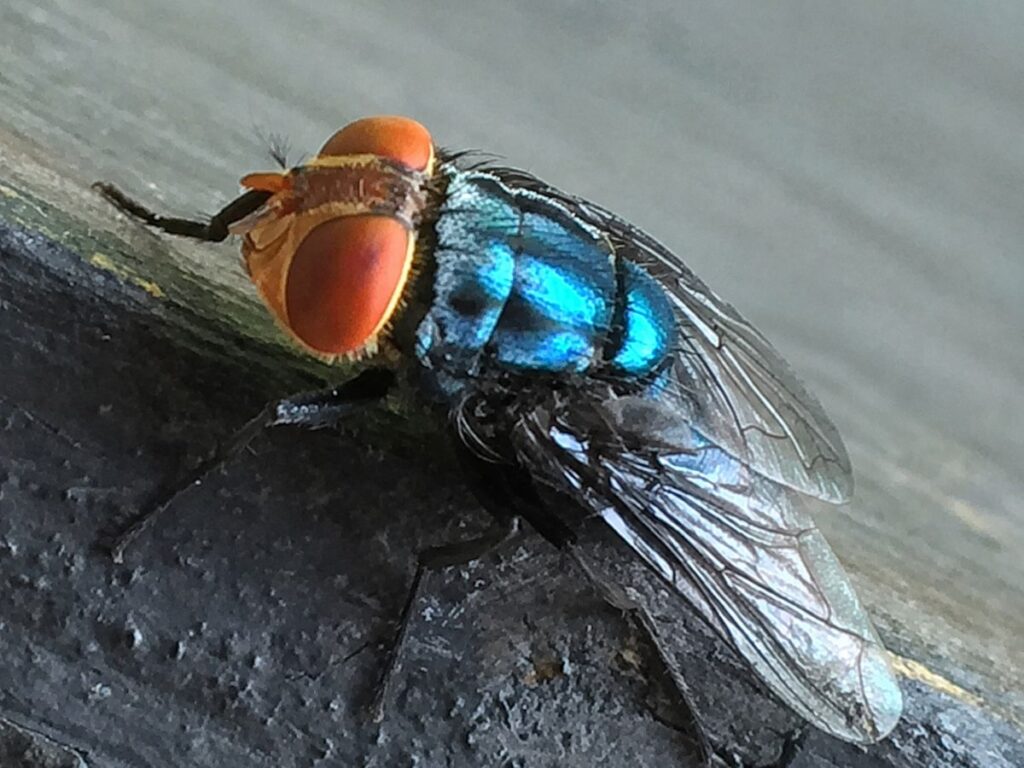
New World screwworm — Cochliomyia hominivorax — is a parasitic fly native to tropical and subtropical regions of the Americas. The adult fly resembles a common housefly but is slightly larger, with a metallic blue-green body, orange eyes, and three dark stripes running down its back.
What makes it dangerous is not the adult fly. It is what the female does when she finds an open wound on a living animal. She lays her eggs in it.
How the Infestation Works
Within 24 hours, the eggs hatch into larvae. Those larvae do not feed on dead or decaying tissue the way most fly larvae do. They burrow into living flesh, feeding as they go, and the wound grows larger with every passing hour. Untreated infestations can kill a healthy animal within days.
“These larvae feed on living tissue, causing severe wounds that can quickly become life-threatening if left untreated.” — Dr. Alex Hamberg, Pennsylvania State Veterinarian
Livestock, pets, wildlife, and in rare cases humans are all susceptible. Any warm-blooded animal with an open wound — even something as small as a tick bite or a nick from a fence — can become a host.
Warning Signs Every Animal Owner Should Know
Pennsylvania officials are urging anyone who owns livestock, horses, dogs, or other animals to monitor them closely. The CDC screwworm situation summary outlines the key indicators:
- Irritated or agitated behavior in animals that are normally calm
- Repeated head shaking or attempts to reach a specific area of the body
- A distinct smell of decay coming from a wound that was previously minor
- Visible maggots in or around a wound
- Wounds that appear to be growing larger or deepening without explanation
If any of these signs are present, contact a veterinarian immediately. In Pennsylvania, suspected cases should also be reported to the Department of Agriculture Bureau of Animal Health and Diagnostic Services at (717) 772-2852.
Why Pennsylvania Acted Before Any Cases Were Confirmed
The decision to issue a quarantine order preemptively reflects how seriously agricultural officials are taking the risk of spread. New World screwworm does not need a large population to establish itself. A single infested animal transported across state lines is enough.
The quarantine order, effective June 9, puts specific requirements in place for susceptible domestic animals entering Pennsylvania from affected areas:
- Mandatory veterinary inspection prior to transport
- Official animal health certification
- Preventative measures designed to reduce risk of introduction
Secretary Redding was direct about the stakes: “This destructive pest poses a serious threat to our livestock industry, companion animals, wildlife, and agricultural economy.”
Pennsylvania livestock — including cattle, dairy, poultry, and hogs — contributes billions to the state economy annually. A screwworm outbreak would not only threaten animal welfare but could trigger additional movement restrictions, trade disruptions, and long-term economic damage.
The National Response
Pennsylvania is not acting alone. The USDA has activated its New World Screwworm Response Playbook, a coordinated federal strategy that includes quarantine zones in affected areas, accelerated release of sterile flies to disrupt reproduction, expanded border trapping, and intensified surveillance of livestock and wildlife populations.
Officials are currently releasing 100 million sterile flies per week across the U.S. and Mexico. This same sterile insect technique is what eliminated the screwworm from the United States in the 1960s.
How Did It Get Back?
Veterinary officials tracking the 2026 outbreak have not yet confirmed the precise origin of the current U.S. cases, but the reemergence follows increased detections in Mexico in late 2025 and early 2026, raising concerns that the eradication barrier along the southern border had been compromised.
Is the Food Supply at Risk?
The answer is no. New World screwworm does not infest meat, produce, or any food product. It targets living animals with open wounds. Once an animal is processed, there is no risk. The threat is entirely to live animals and the agricultural systems that depend on their health.
What Farmers and Pet Owners Should Do Right Now
Whether you own a cattle operation, a horse farm, or a single family dog, officials recommend the following steps now — not after a case is confirmed in your area:
- Inspect animals regularly for any open wounds, no matter how minor, and treat them promptly
- Practice basic biosecurity — limit contact between your animals and animals from unknown origins
- Know your vet emergency contact information and keep it accessible
- If transporting animals across state lines, verify current health certification requirements before you travel
- Report anything suspicious — a wound that worsens unexpectedly should be reported immediately, not monitored at home
The Herald-Standard coverage of Pennsylvania quarantine order notes that officials are particularly focused on animals entering the state through auction houses, livestock sales, and private sales from affected regions.
A Problem That Was Solved Once Before
There is reason for cautious optimism. The United States successfully eradicated New World screwworm once, using exactly the tools being deployed now. The sterile insect technique works. Quarantine measures work. Early detection and reporting work.
What made those eradication efforts succeed was public awareness. Farmers who knew what to look for caught cases early. Communities that understood the threat reported suspected infestations before they could spread. That same awareness is being asked of the public today.

If you own animals anywhere in the continental United States, this is the moment to learn the warning signs, review your biosecurity practices, and take the quarantine orders seriously — not because panic is warranted, but because preparation is.
The screwworm came back. Whether it stays is still being decided.