Three Signals, One Moment
There are weeks in any industry when a single headline dominates. And then there are weeks when several unrelated problems arrive at the same time, stack on top of each other, and produce something that is harder to read and harder to ignore.

The U.S. beef industry is in one of those weeks.
A flesh-eating parasite not seen in American cattle since 1966 has been confirmed in Texas. Beef prices hit a record national average of $9.64 per pound in April 2026 before settling slightly to $9.52 in May. And a closely watched consumer sentiment survey just recorded the highest level of household financial stress since it began tracking in 2020. According to analysis published by Kansas State University agricultural economist Dr. Glynn Tonsor, none of these signals are moving in a helpful direction simultaneously.
Understanding what each one means requires looking at them individually first.

The Parasite That Was Gone for 60 Years
The New World screwworm is not a new threat. It is a very old one that American agriculture spent decades and significant resources eliminating, and which has now reappeared on U.S. soil for the first time since its eradication in 1966.
The USDA’s Animal and Plant Health Inspection Service confirmed the first case on June 3, 2026: a three-week-old calf in Zavala County, Texas, with larvae identified in its umbilical area. As of mid-June, 15 total animal cases had been reported across Texas counties including Zavala, La Salle, Edwards, and Tom Green, with cattle accounting for the majority of confirmed cases.
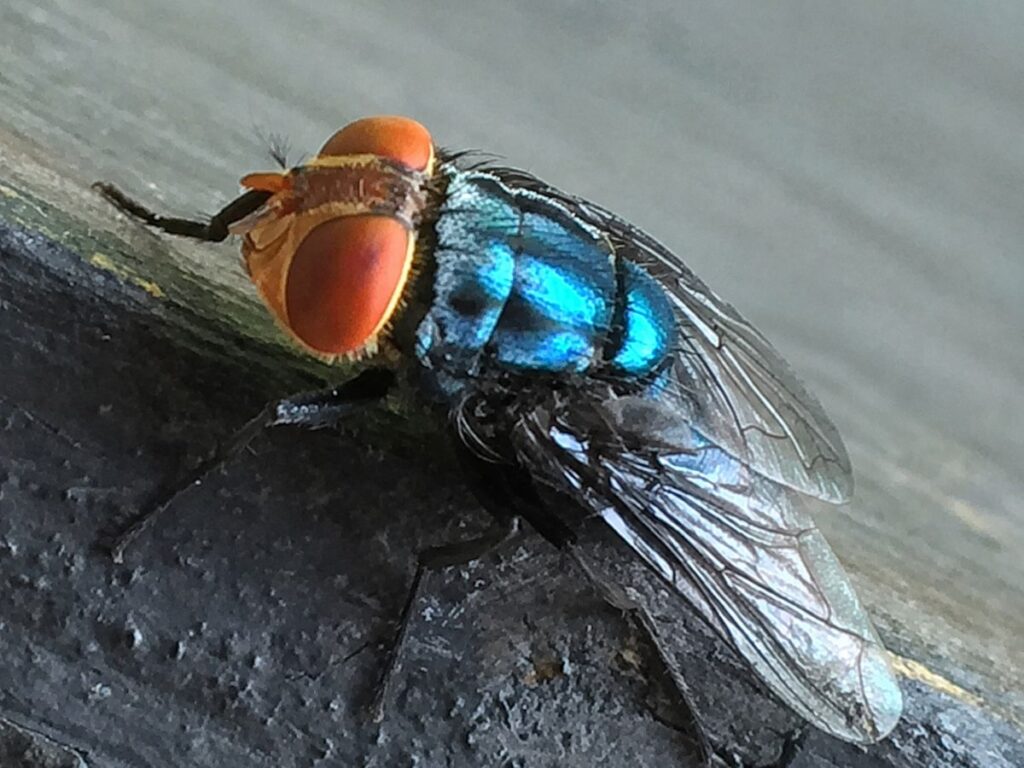
The biology of the screwworm is what makes it particularly dangerous for livestock. The flies lay eggs in open wounds, natural body openings, or fresh tissue on live animals. When the eggs hatch, the larvae burrow into living flesh, feeding as they go. According to Scientific American, the name itself describes the feeding behavior: the maggots move through tissue the way a screw is driven into wood. The wound enlarges as successive generations hatch and feed. Without treatment, the infestation can be fatal.
The economic scale of the threat is significant. In regions of South America and the Caribbean where screwworm remains endemic, estimated annual losses run the equivalent of $6.1 billion in today’s dollars.
The USDA has activated its response playbook: quarantine zones, movement controls, accelerated releases of sterile flies, expanded border trapping, and intensified livestock surveillance. Sterile fly production is being ramped toward approximately 500 million flies per week, matching the output level that achieved eradication in the 1960s. The last confirmed case was reported June 12, though surveillance continues.
“There is no food safety concern associated with screwworm developments, and this issue should not directly impact consumer beef demand,” Dr. Tonsor noted in his June 23 analysis. The concern is animal health and the supply chain, not the safety of beef already in stores.
The Cattle on Feed Numbers Tell a Complicated Story
Alongside the screwworm news, the latest USDA Cattle on Feed report delivered numbers that the market described as mixed but net neutral.
As of June 1, 2026, nearly 11.7 million head of cattle were on feed nationally. May placements, however, came in down 10% from the prior year. Markets had expected a 6% decline. The gap between expectation and reality reflects the ongoing tightness in available cattle. With the national herd already at its lowest point since 1951, feedlots are competing for fewer animals, and some operators are stretching the cattle they have across more feeding days rather than cycling them through and waiting for new placements that may not come quickly.
Marketings in May were down 12%, close to the expected 11% decline. That figure reflects the same underlying constraint: fewer cattle available means fewer moving through the system.
The combined picture from the Cattle on Feed report is one of a supply chain operating under sustained pressure with limited room for adjustment. According to Beef Magazine, drought continues to compound the situation, with more than 55% of the country rated in moderate to exceptional drought conditions as of mid-June 2026, further limiting the forage availability that ranchers need to rebuild herd numbers.
The Consumer Signal That May Matter Most
Of all the data points in this snapshot of the beef industry, the one that carries the longest shadow may be the consumer sentiment figure from the Meat Demand Monitor.
The Meat Demand Monitor is a monthly tracking survey run by Kansas State University that measures how American households feel about meat purchases and their financial situation. The May 2026 base report found that 39% of U.S. residents reported their household finances were worse than in May of 2025. That is the highest figure recorded since the survey series launched in 2020.
The implications for beef are direct. The USDA’s Economic Research Service has noted that record beef prices are expected to continue through 2026 and likely beyond, driven by the historic tightness in cattle supply. The all-fresh retail beef price averaged $9.64 per pound in April 2026, a figure that was up approximately 13% from the same month the prior year.
Beef demand remained strong through much of 2025 and into early 2026, with consumers continuing to absorb price increases at historically high levels. But the May consumer sentiment data represents a potential inflection point.
Here is the concern, as Dr. Tonsor outlined in his analysis:
- When household finances tighten, discretionary food spending shifts
- Beef, as the most expensive protein at retail, is typically the first category where households trade down
- Weakening consumer financial sentiment in May already correlated with softer beef demand data for the same month
- The combination of record prices and rising financial stress creates a demand risk that did not exist when prices were high but consumer confidence was stronger
What Consumers Are Actually Doing
It is important to be precise here. Consumers are not abandoning beef. Total U.S. beef consumption for 2026 is estimated by USDA at 29.38 billion pounds, up 1.3% from 2025. Meat sales hit a record $112 billion in 2025, with more than 98% of American households purchasing meat regularly.
What the May data suggests is a softening at the margin. Households that were previously absorbing price increases without much friction are beginning to show hesitation. That hesitation, if it grows, would eventually affect demand in ways that would register in the market.
The beef industry has benefited from extraordinarily strong demand even as prices climbed to levels that would have seemed unthinkable a decade ago. The question now is how much further prices can go before that consumer resilience begins to shift in a meaningful way.
What to Watch Next
The three data points from this week’s market snapshot each carry their own timeline:
- Screwworm: The USDA response is active. The last confirmed case as of publication was June 12. The critical question is whether the sterile fly barrier holds and new cases stop appearing, or whether the infestation expands beyond current quarantine zones.
- Cattle supply: With placements down sharply and the herd already at historic lows, supply constraints are not resolving in the near term. The American Farm Bureau Federation has noted that meaningful herd rebuilding remains years away under current conditions.
- Consumer demand: The next Meat Demand Monitor report will show whether May’s financial stress reading was a one-month signal or the beginning of a trend. If consumer sentiment continues to weaken while beef prices remain elevated, the demand side of the equation will become as consequential as the supply side.
For now, the beef industry is navigating all three simultaneously, in a market that has very little margin for additional disruption.